- If nobody uses the pool and it needs repairs, removal usually pays for itself within a few years of saved costs.
- Draining a pool and leaving it empty is not a safe option. It can crack, lift and breed mosquitoes.
- A permitted removal with documentation keeps your home easy to sell.
Many Bay Area homeowners bought a house with a pool that made sense years ago. The kids grew up, the pool stopped getting used and now it mostly generates bills. If that sounds familiar, you are probably asking whether removing it is worth the money. Here is how to think about it.
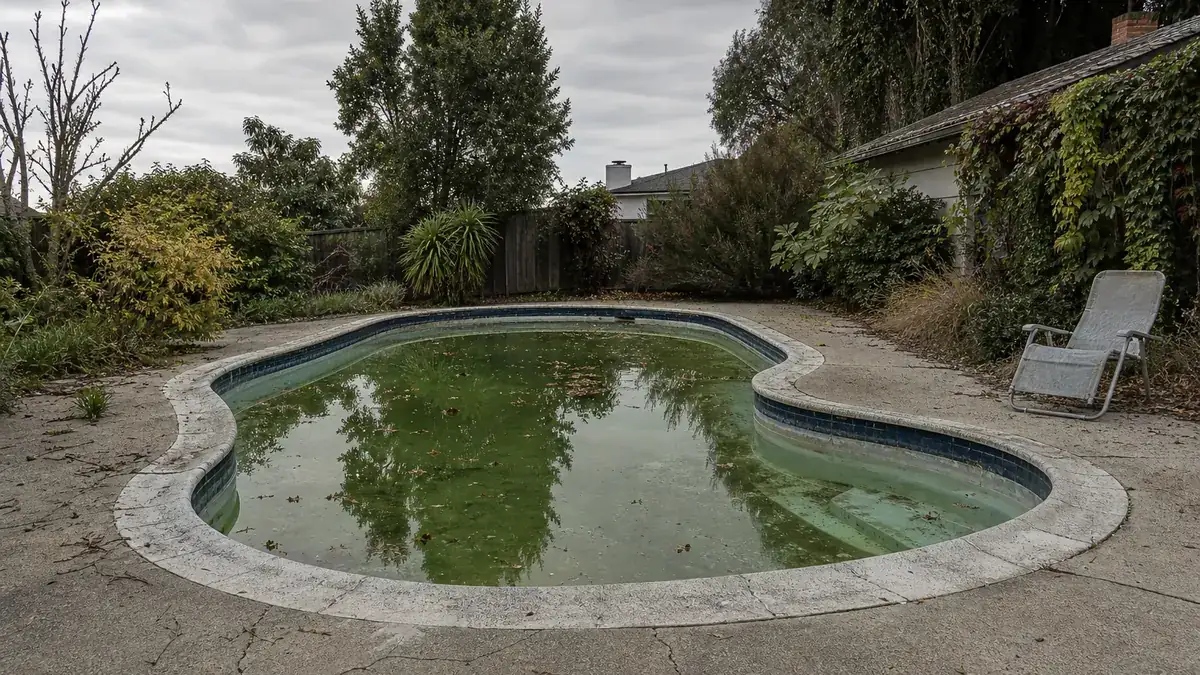
The real cost of keeping an unused pool
A pool costs money whether or not anyone swims. Typical ongoing costs include:
- Chemicals and weekly cleaning service
- Electricity for the pump, and gas or power for heating
- Equipment replacement: pumps, filters and heaters wear out
- Resurfacing, crack repair and tile work every several years
- Higher insurance coverage for liability
- Water to refill what evaporates
Add those up for five or ten years and compare the total with a one-time removal. For an unused pool that also needs a big repair, removal is usually the cheaper path.
When removing your pool is worth it
- The pool sits unused most of the year.
- A major repair is due, like replastering or new equipment.
- You want the space for a lawn, garden, patio or ADU.
- Safety is a concern with small children or grandchildren around.
- You plan to sell and the pool is old or worn, which can scare buyers off.
When it may not be worth it: the pool is in good shape, the family uses it often, or the home is in a neighborhood where a modern pool is expected.
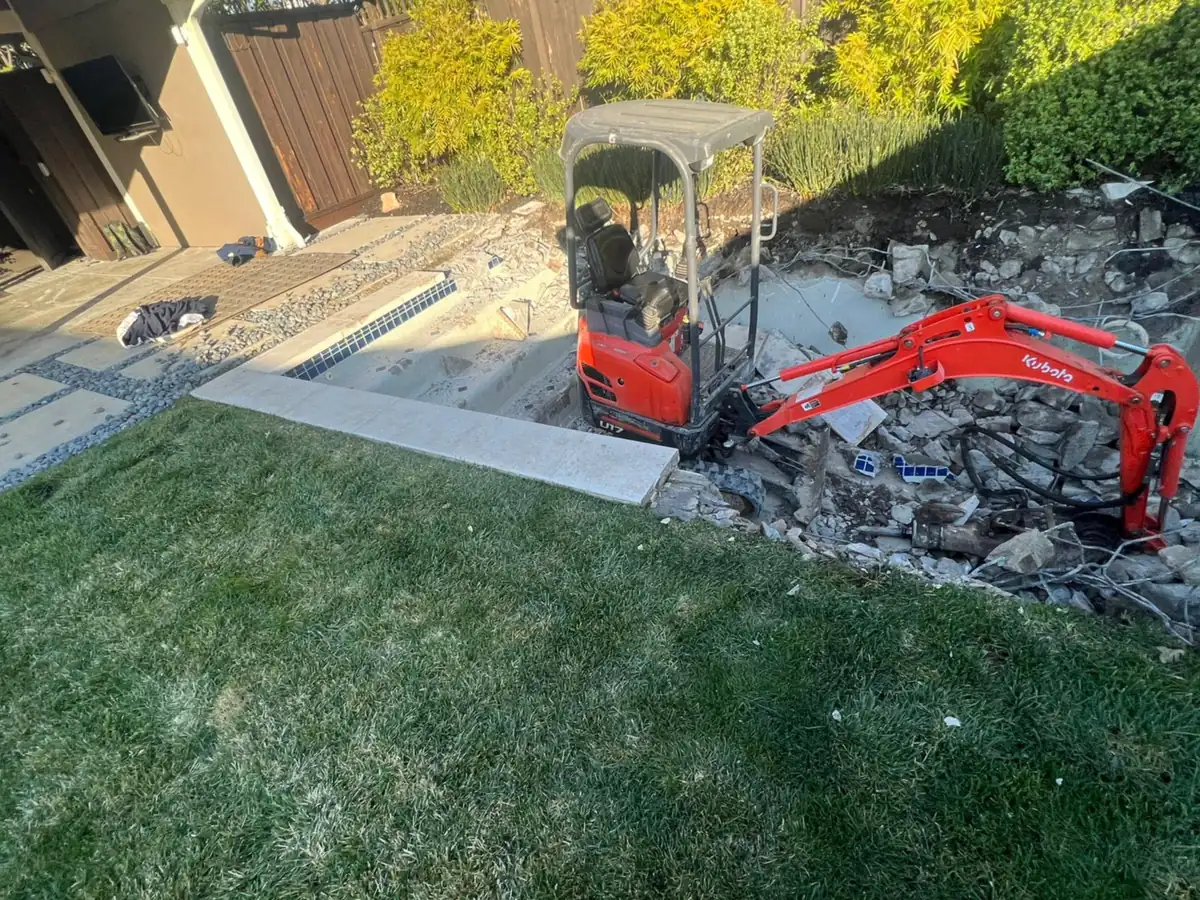
Can you drain a pool and just leave it?
This is the most common shortcut people ask about, and it is a bad idea:
- Structural damage. Without water pushing back, groundwater pressure can crack an inground pool or even lift it out of the ground.
- Standing water. Rain collects in the empty shell and becomes a mosquito breeding ground.
- Safety and code issues. An empty pool is a fall hazard, and many cities treat it as a code violation.
If you do not want the pool anymore, the safe and legal options are a permitted partial removal or a full removal.
How you get rid of an inground pool
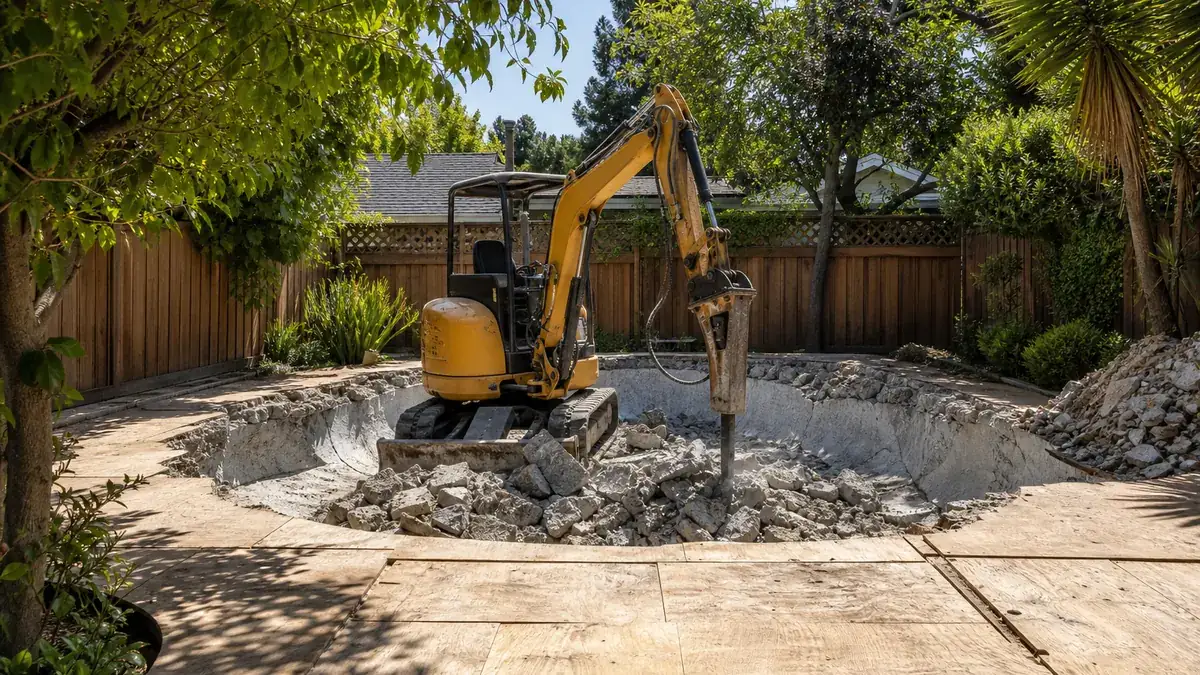
There are two permitted methods. A partial removal breaks drainage holes in the floor, removes the top of the walls and fills the pool with compacted soil. A full removal takes out the entire shell before filling. Partial costs less; full is the right choice if you might build on the spot later. The complete Bay Area pool removal guide compares both in detail, with 2026 prices.
What about above-ground pools?
Above-ground pools are much simpler. They are drained, the liner and frame are taken apart, the materials are hauled away and the ground is leveled. It usually takes a day or two and often does not need a permit. Drain the water according to your city's rules, and never into the storm drain if the water still has chemicals in it.
The bottom line
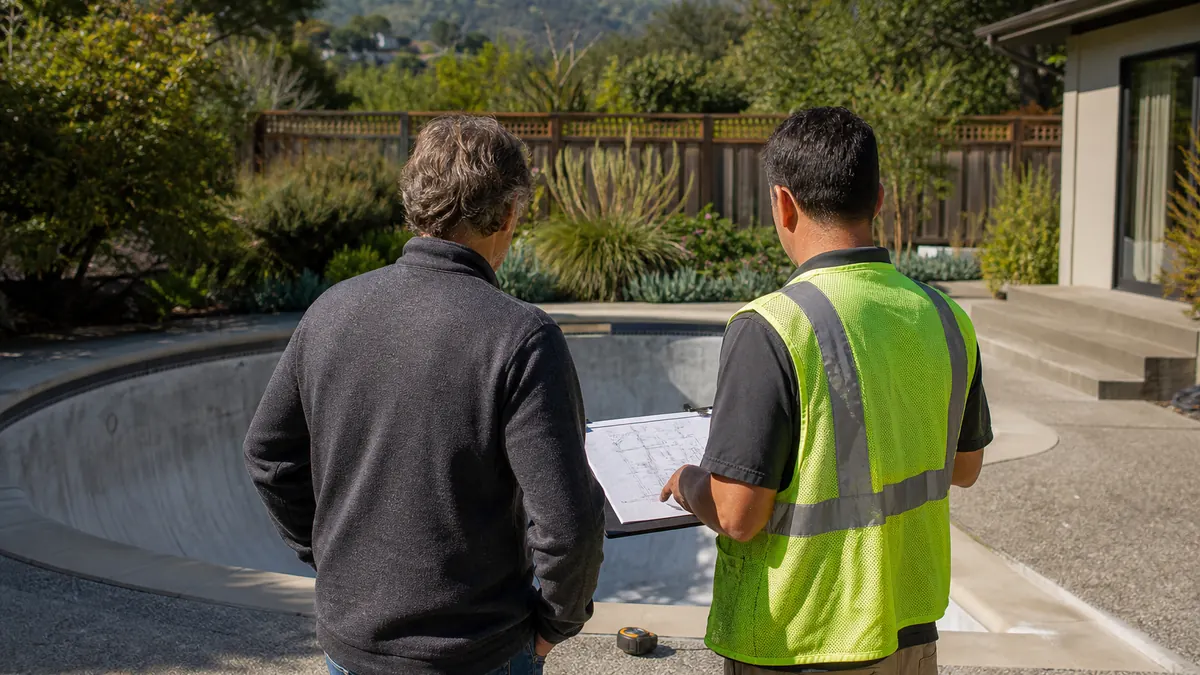
If your pool costs more than it gives back, removing it is one of the few home projects that saves money every month afterward and gives you usable space at the same time. The key is doing it with a permit and proper compaction so it never becomes a problem later. Learn more about our pool removal service, or request a free on-site estimate below.
Frequently asked questions
Can I just drain my pool and leave it empty?
No. An empty inground pool can crack or lift from groundwater pressure, collects rainwater that breeds mosquitoes, and is a fall hazard. Most cities consider an abandoned pool a code violation.
Does removing a pool hurt resale value?
In most Bay Area neighborhoods an old, worn pool does not add value and can turn buyers away. A properly permitted removal with documentation usually widens the pool of buyers. A well-kept modern pool in a luxury market can be the exception.
What is the cheapest way to get rid of a pool?
A permitted partial removal (fill-in) is the lowest cost option for inground pools. Make sure it is permitted and inspected so it does not cause problems when you sell.